Nicaragua Solidarity Campaign Action Group



10 March 2026
Nicaragua, environmental protection and renewable energy
Sarah Gee, an Environmental Health Officer from Wolverhampton, visited Nicaragua as a member of a UNISON West Midlands delegation in November 2025.
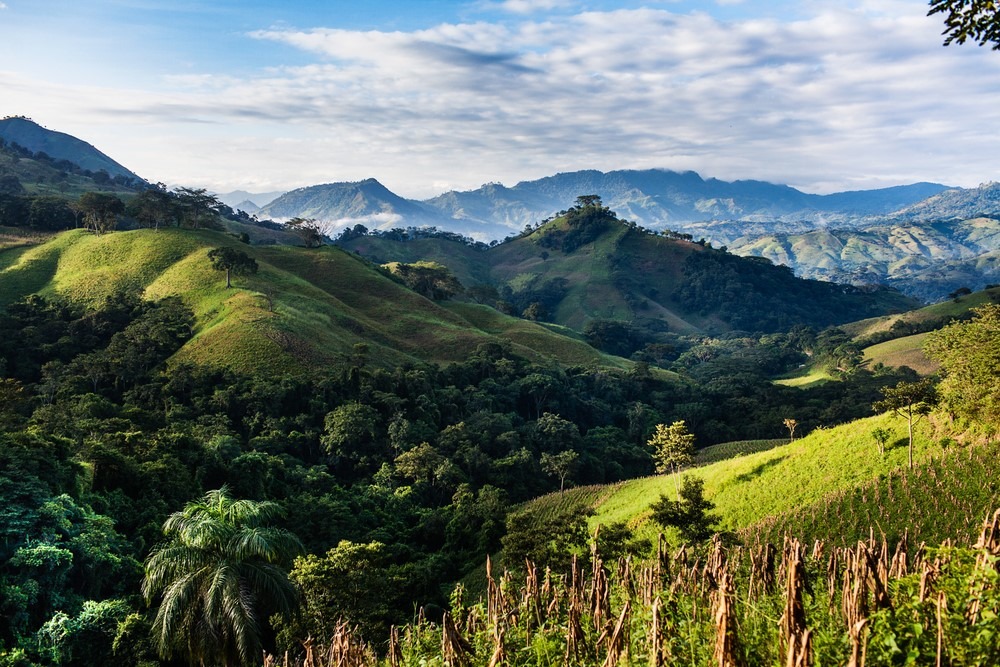
I could tell you about how incredible this trip was: the wonderful people we met, the amazing scenery, mountains and lakes, the rich history of the Sandinista movement and the Revolution. But in this article I’ll focus on their environmental movement.
With other delegation members Edoardo and Nadieh I visited the Alba Rivas onshore wind farm, accompanied by our Nicaraguan trade union hosts. There we were greeted with warm smiles, open arms, and kindness, this being the running theme of our visit.
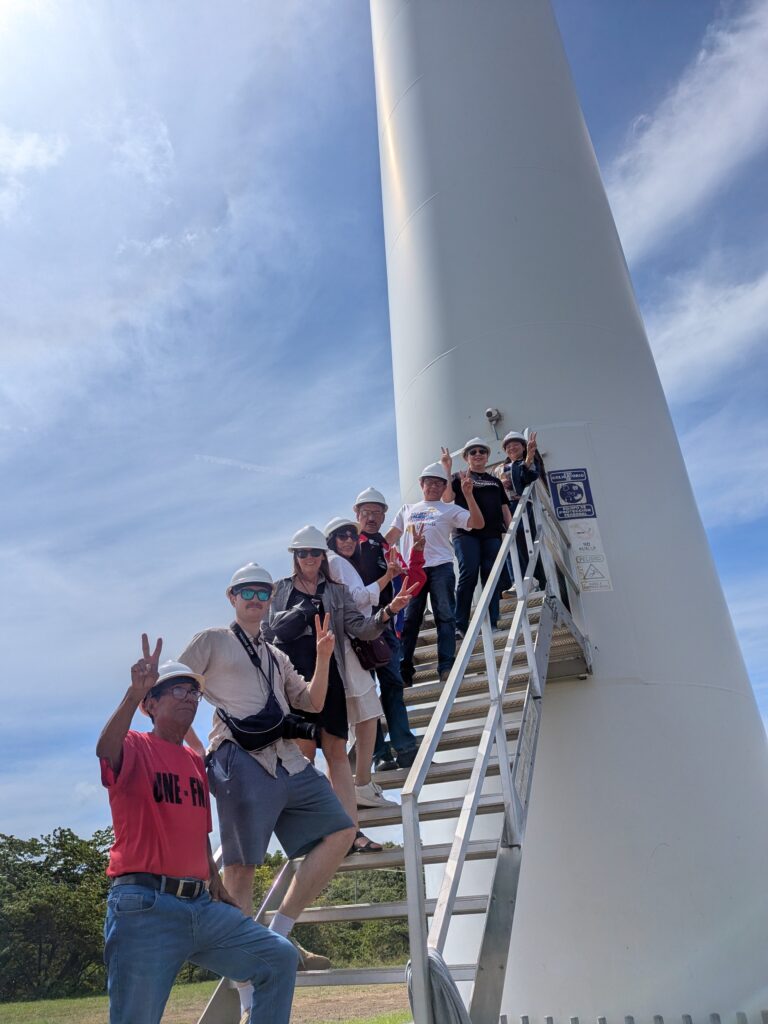
The energy produced by Alba Rivas feeds into the grid which serves over 90% of Nicaraguan households. The energy plant has its roots firmly as being a company providing affordable energy for the people of Nicaragua. The Government invests heavily in health and education: energy provision is another national priority.
There are major investments in renewable energy, with at least 70% of the country’s supply now coming from renewable sources. These include wind, solar, hydroelectric, geothermal and biomass (from sugar cane waste).
The impetus behind conversion to renewables comes from Nicaragua’s commitment to moving away from fossil fuel dependence and contributing to global carbon reductions.
There are private renewable energy providers, however the governmental projects, such as Alba Rivas, and their low non-profit pricing means the private companies also have to keep their prices low. This is a win-win situation for the people of Nicaragua, and should be a template adopted in the UK and across the world.
Alba Rivas has 22 wind turbines producing almost 119 thousand MWh/year and providing 40 jobs. It’s super visible too that there is a gender balance in the workplace, which is inspiring.
Green, I love green (Verde, Que Te Quiere) reforestation campaign
On another occasion we met a member of the Ministry of the Environment and Natural Resources (MARENA) who explained their reforestation campaign working with many organisations and unions including young people of the Guardabarranco Environmental Movement.
The project reached its 2025 goal of planting 18 million forestry, fruit, and medicinal plants and trees leading to restoring 180 thousand acres of damaged forests and ecosystems.
MARENA has also worked with local organisations. to create and maintain 3,200 tree nurseries to keep the cycle of re-planting going, and to increase education and awareness amongst the population.
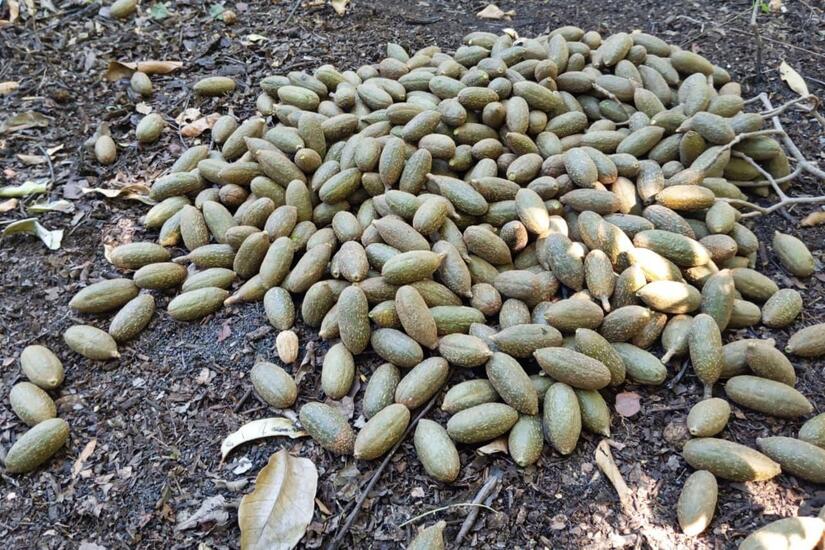
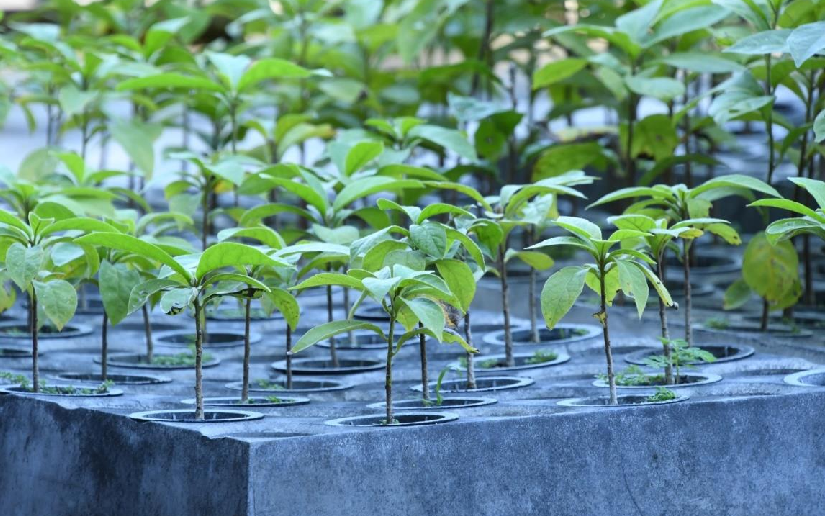
The Green I love green campaign works on the principle that mobilising many people to make small achieveable changes can make a huge and inspiring difference.
There are three permanent calls to action: plant a tree locally and take care of it; protect trees and report any damage such as the burning of trees and forests; and raise awareness in schools, work places and communities.
The engagement of young people is key to the ongoing campaign to raise awareness amongst the wider population encouraging them to take small steps to protect the environment.
MARENA itself has been actively involved in environmental training of young people in organising the youth movement and setting up gardens in schools and other centres.
Some environmental monitoring of trees and plantations has been carried out by satellite technology, and an app is in development to monitor these in real time in the future.
The political appetite for reducing carbon emissions is ripe but unlike previous governments the present one doesn’t believe in get rich quick fixes that destroy the environment but instead calls for reforestation and protection of biodiversity.
At an international level there needs to be a much greater commitment to preventing climate change and global warming, with the most polluting nations paying the price.