Nicaragua Solidarity Campaign Action Group


15 April 2026
Experiencing the warmth of Nicaraguans and observing the extraordinary wildlife
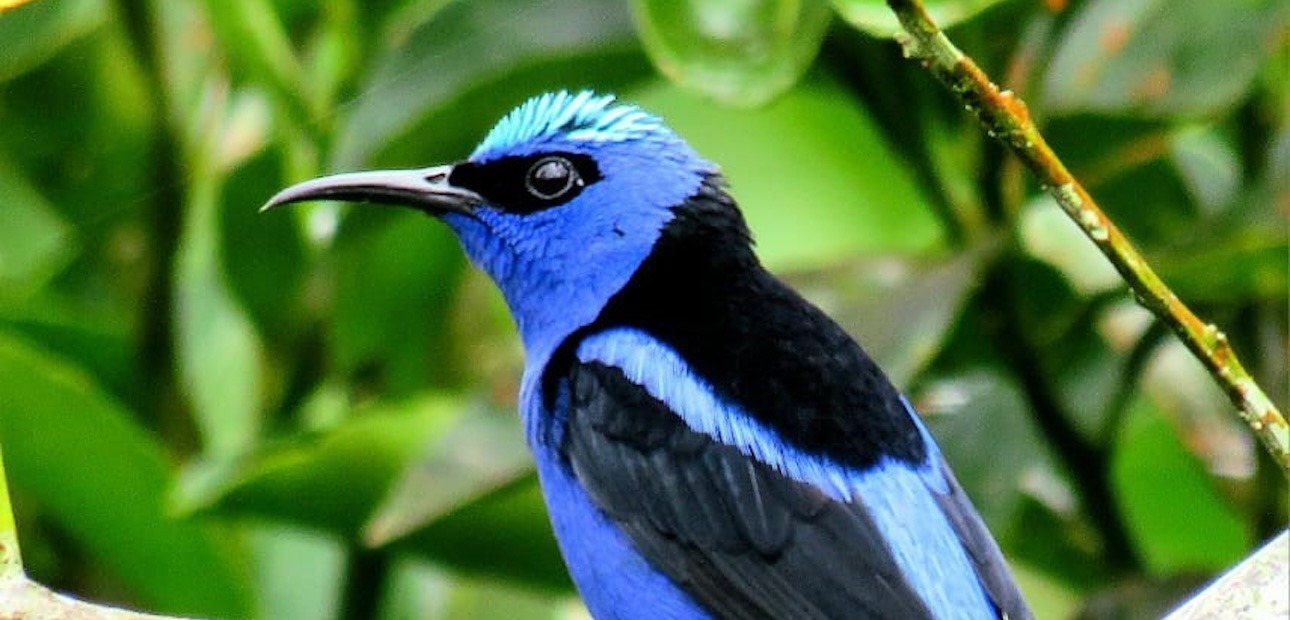
Geraldine Cawthorne, an NSCAG member, travelled to Nicaragua in 2025 to take part in a bird brigade organised by the Casa Ben Linder. This is Geraldine’s story of the bird brigade. This is an amended version of article first published in the March 2026 Environmental Network for Nicaragua (ENCA) newsletter Pictured above Blue Oriole Credit: Laureano Mairena
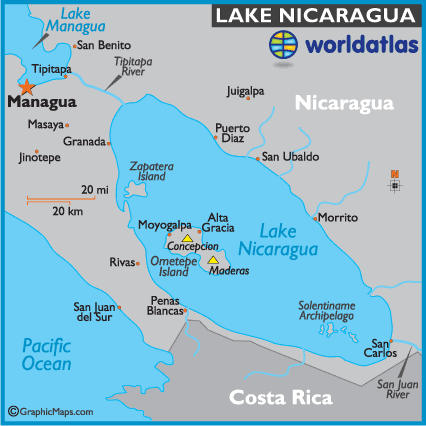
Last February, after noticing an NSCAG newsletter post, I applied, paid the fees, renewed my passport, packed and was ready to set off to Nicaragua on a bird brigade in the Solentiname islands in Lake Cocibolca (Lake Nicaragua)
Thirty-four years ago, on an NSC environmental brigade, I’d helped plant 4,000 saplings of local species – cedro, caoba, leucaena and pochote – from a tree nursery funded by the Environmental Network for Nicaragua, the forerunner of ENCA .
Staying with local families, we walked nine miles daily fording three streams each way, bathed and washed clothes in the lake, had head torches and fireflies to guide us at night, kept malaria at bay with pills, incense coils and nets, and spent time ensuring safe drinking water.
I returned to London humbled by the care and kindness we had been shown and impacted by an awareness of what had been achieved, with minimal resources, through political will and tight knit organisation at local level.
Having done no long-haul travel in the intervening years, the misgivings about managing it were dispelled by a seamless Aeromexico flight with an easy connection in Mexico City. Young Nicaraguans sorted me warmly and efficiently at passport and customs controls, designated driver Juan Carlos waited at the arrivals door, and I was into 2025 Managua.
Outside I emerged into the heat: big US lorries with heavy duty fenders, neat white public buses (courtesy of China), the occasional horse and cart, and masses of helmeted men and women riding small motor bikes.
[I was then taken to] the Casa Benjamin Linder, a hostel/guest house in a peaceful north western neighbourhood of Managua. The site that once housed the offices of Nicaragua’s first foreign minister, has been repurposed as welcoming accommodation for individuals and groups and serves as a venue for community projects and activities.
Accommodation expectations based on my memory of 1991 dissolve when I am shown to a double room with en suite shower and toilet, air con and wifi, set in a calm garden with stunning murals along the walls. Some of them show images of Ben Linder, an engineer and clown from the US, killed in 1987 by the US backed contra alongside a Nicaragua colleague..
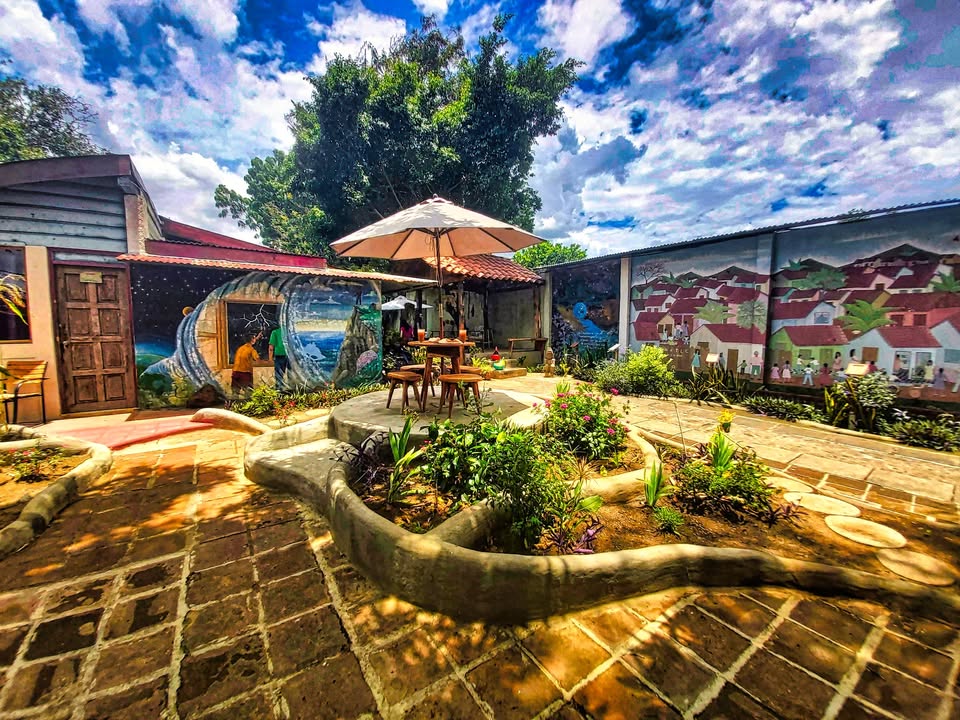
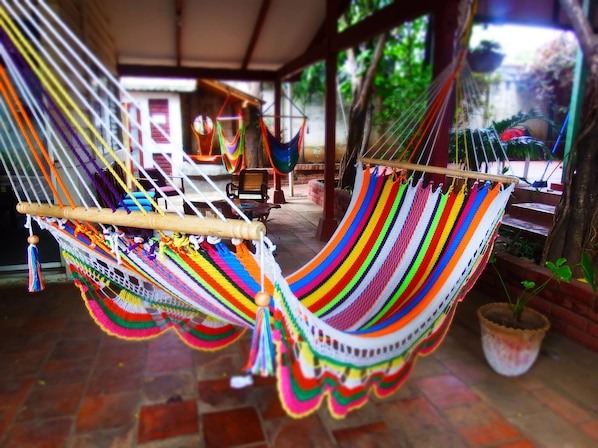
In the few days before starting the bird brigade, I was whisked off on a range of visits and activities: the local hospital, a macro-nutrition project at a local rural school, a workshop for adults and school students involved in an aquaponics project on ‘value-added ‘possibilities, and a comprehensive historical walking tour of Managua from Harold, our interpreter and guide.
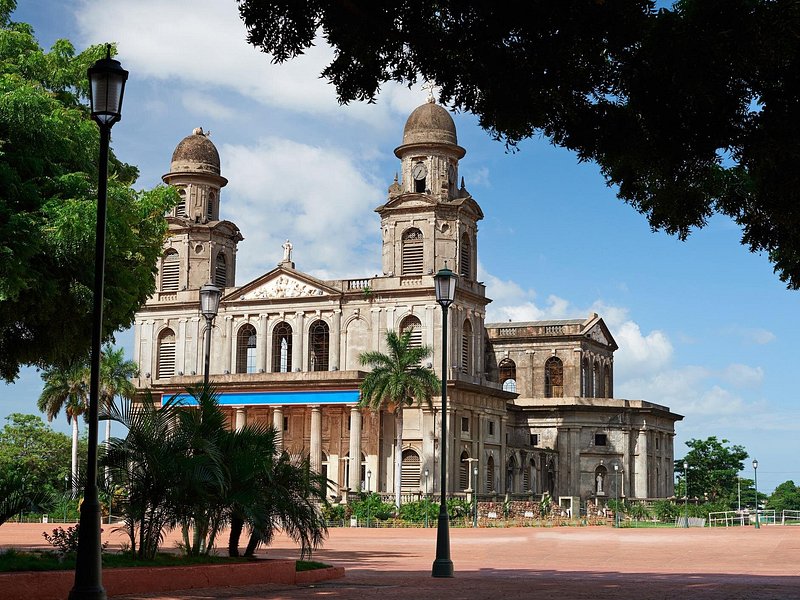
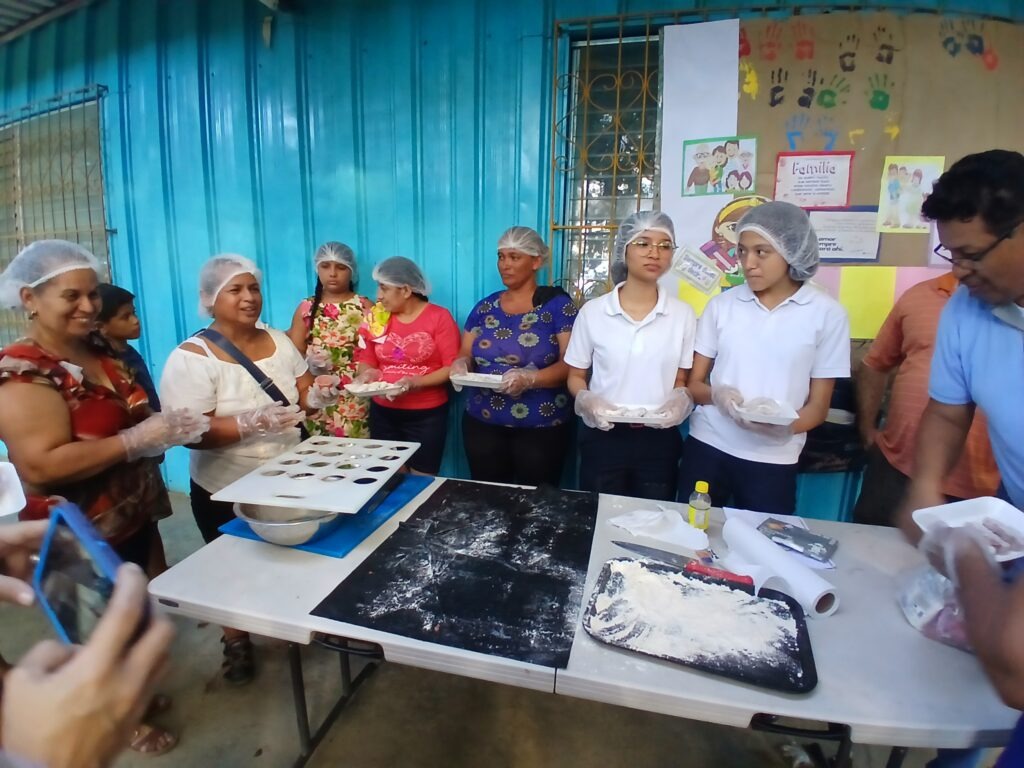
Pictured above left Cathedral partly destroyed by Managua earthquake 1972, Right: processing fish at an aquaponics project in Ciudad Sandino
Fellow travellers Larry and Gayle arrive from Minnesota, and we head up to the hills by Ciudad Sandino for an early morning bird stroll and breakfast with Paul and Becca, who managed the restoration of Casa Ben Linder and co-ordinate solidarity brigades and delegations.
Then on the Friday, an early start for the 177-mile journey down to San Carlos. In 1991, I travelled in an open lorry, a journey that took all day with half the road a dirt track. Now, gliding along stunning road surfaces at 55mph, and with a drink stop half-way, just four and a half hours later we are greeted by our bird and boat men, Laureano and Luis.
Boat loaded, and life jackets donned, we head off along the broad meandering Rio San Juan that forms the natural border between Nicaragua and Costa Rica.
Laureano and Luis immediately show lightning bird and other wildlife recognition, moving on to the next one before we have our binoculars focused. Over the days ahead we will see: grey, green, white and blue herons; hummingbirds, swallows, buzzards, black vultures and ospreys, honey creepers, orapendulosa, Ring and Amazon kingfishers, Muscovy duck, brown pelican, white and blue egrets, yellowhammers, blue and yellow orioles, and the roseate spoonbills that come back each year in the breeding season to Venada island.
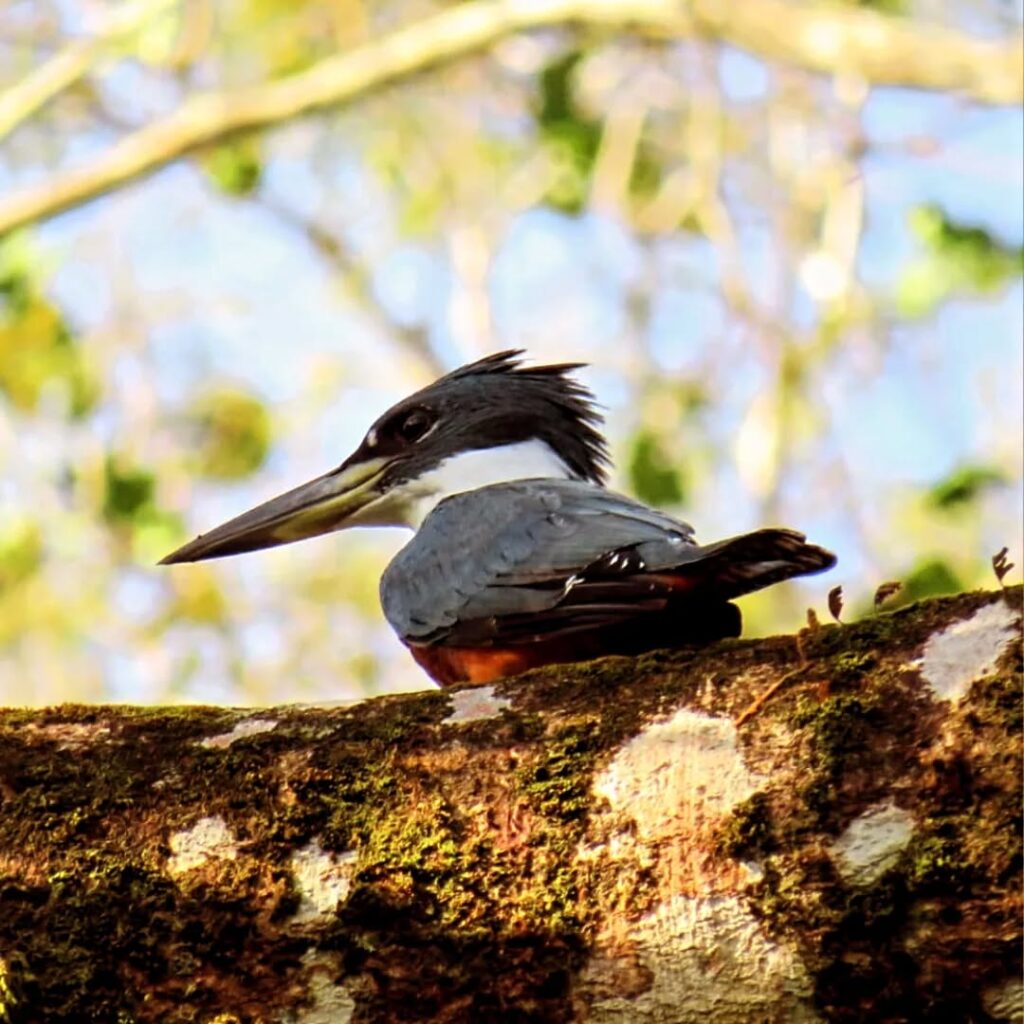
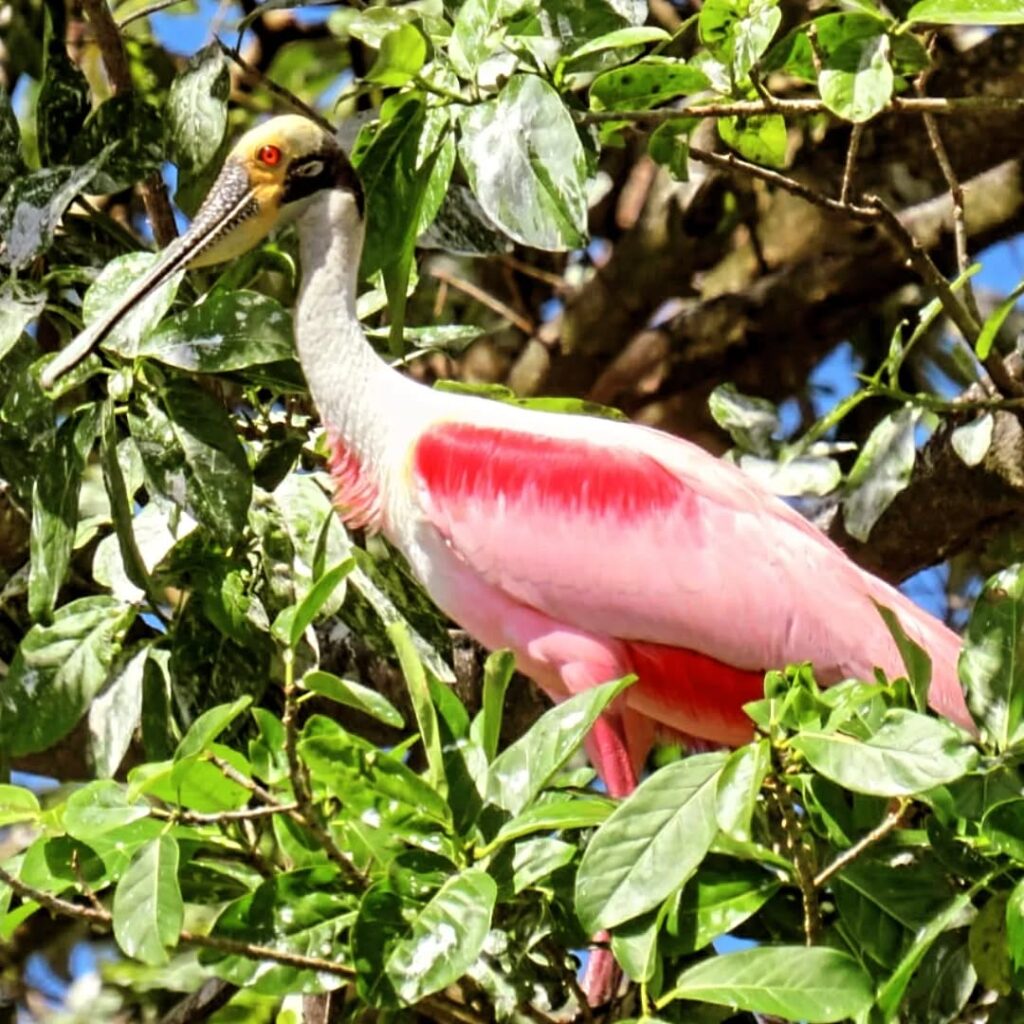
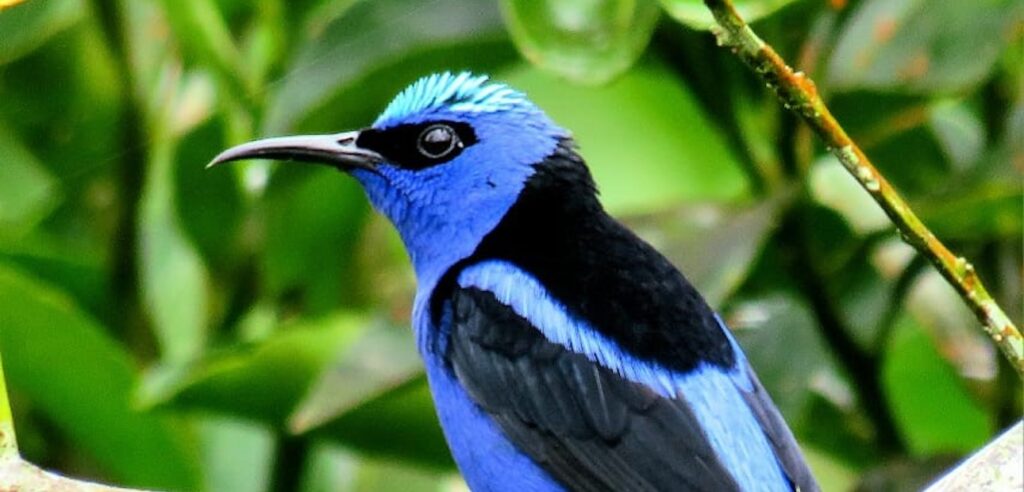
Kingfisher, stork and blue oriole Credit Lauraeno Maireina
But first an overnight in the fortress town of El Castillo: the actual fortress and a museum have been restored with EU and other funding. A multilingual information board illustrates the real ‘pirates of the Caribbean,’ including Lord Nelson.
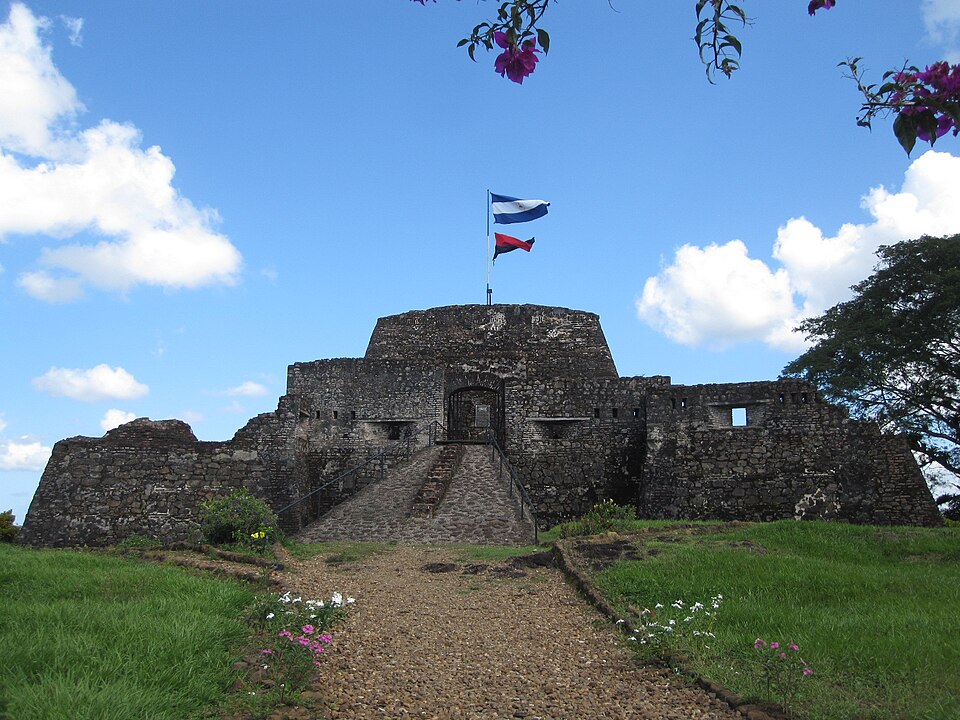
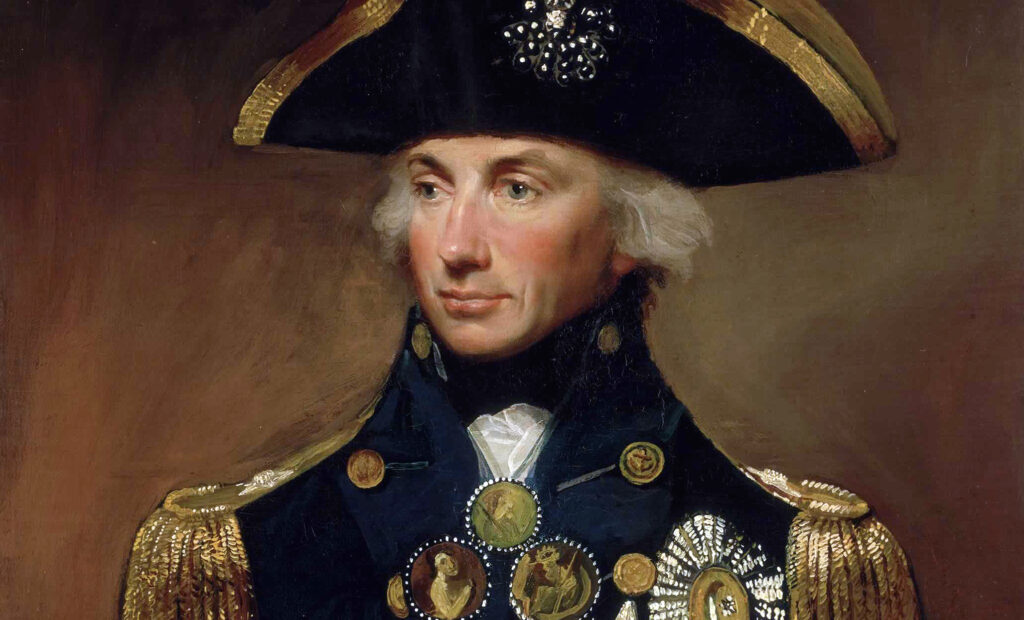
Left:: El Castillo fortress, right: Lord Nelson, for Britain a national hero, for Nicaragua a pirate
[Our next visit} to a cacao coop shows a guest book full of recent UK signatures – day trippers from Costa Rica, who fly direct from the UK to San José.
We journey further down the river before heading across the lake to the Solentiname islands. We are based at the beautiful hotel and cabins created by Laureano and his mother on Isla San Fernando next to a gallery with art created by women and balsa wood carved birds, and fish carved by the men.
Although international tourism dipped after the attempted coup in 2018 and then the Covid years, national tourism continues to increase. The Nicaragua model is based on communities benefitting rather companies from outside.
For Laureano and Luis, the big game fishing season provides a source of income but Laureano also works with MARENA, the Ministry of the Environment, cataloguing and reporting species seen, to enable wildlife to be carefully monitored and protected.
Both also cultivate beans, bananas, cacao and avocados. Our days on the island are spent admiring the paradisiacal sunsets, lots of wildlife, also petroglyphs demonstrating the pre-Colombian culture of the islands. On the largest island, Mancarron, there is a mound 200 metres from the shore, that is believed to be sacred place for burials.
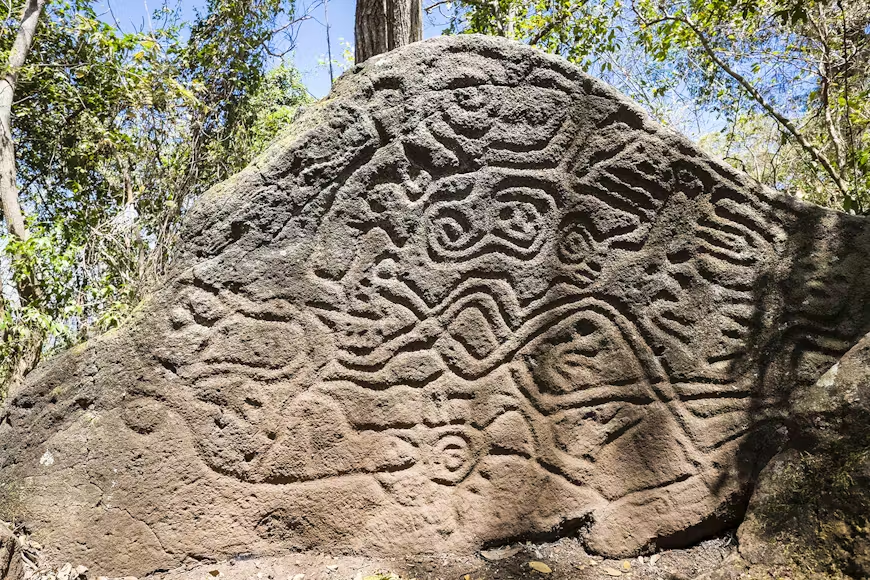
In 1991, the health post was a small wooden hut containing some generic medicines and vitamins on head high shelving, an instrument for weighing babies, and an AIDS poster.
Thirty-four years later, we pass a large, bright modern single story building – the current health centre. It is open Monday to Friday, 8 – 5 and is staffed by a Cuban trained clinician and a nurse. As the main problem is access to health care for those not living on Mancarron, three times a month the health centre staff travel out to the other islands.
The use of WhatsApp has been invaluable for referral of patients to the mainland for support or in emergencies.
One school for the islands has become three. One highlight of this visit is my joyful meet up with my one time hosts thirty-four years ago Emilia and Arsenio.
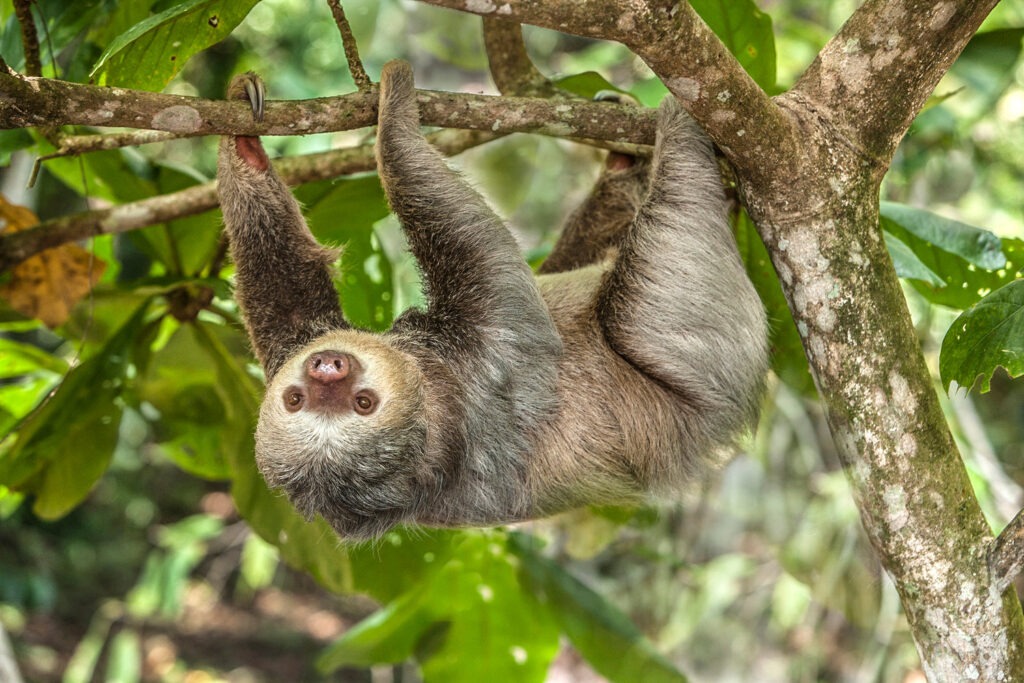
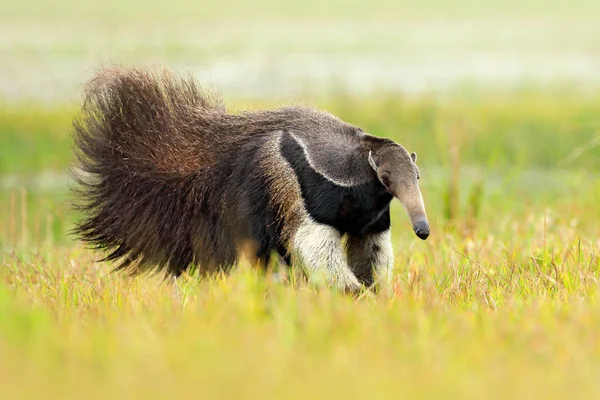
Turtles and camouflaged caiman nestle by the bank, and ashore are sloths and anteaters, and mammoth butterflies. In the evening, slipping over in the mud, I almost squash a tiny tree frog, and in the ecolodge at night, hear my only mosquito buzzing outside the net, although this is dwarfed by roars of howler monkeys, noisily objecting, I feel, to our presence
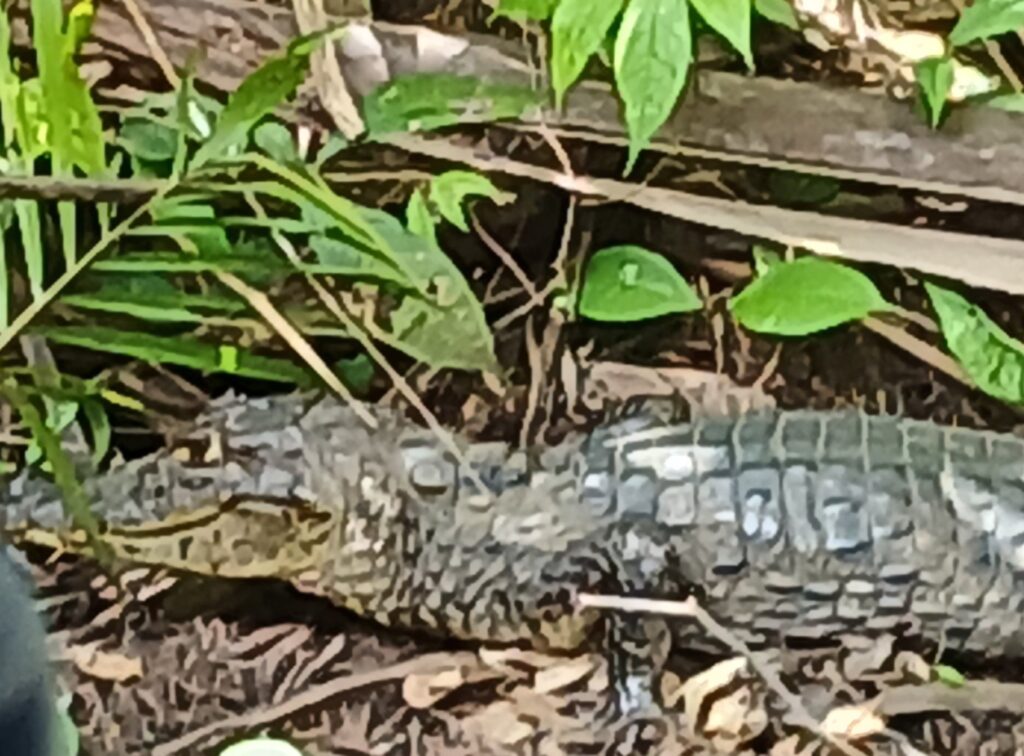
Leaving the islands, I know I will go back, but for now I bulk buy wooden birds for friends and family, and we head back up to Managua with its bright Arboles de la Vida (trees of life).
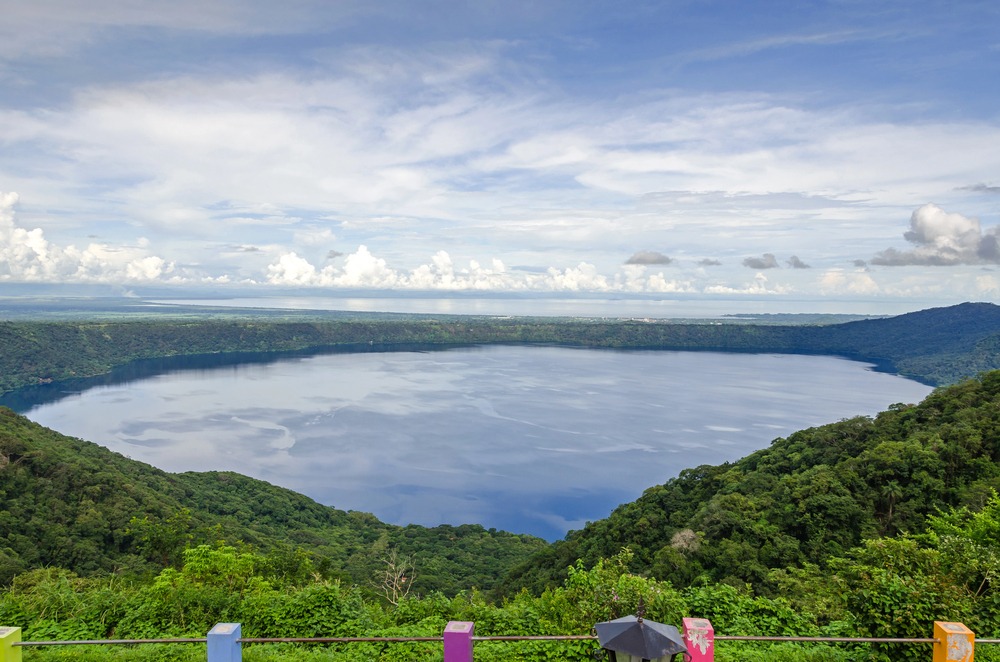
Local trips to a family of several generations of potters in San Juan del Oriente, a wander to the viewpoint and the craft shops in Caterina, and an afternoon indulging in the delight that is swimming in Laguna de Apoyo, round off an awesome nine days.

Bird brigade members: Larry Fish, Gayle Nieson, and Geraldine Cawthorne, with Nicaraguan guides Laureano and Luis.
Still the same kindness and care, plenty of remarkable progress, impressive organisation and people determined to move things forward. Huge thanks to all at Casa Ben Linder and our guides in San Carlos and Solentiname for all I experienced.
For further information about Spanish tuition, walking tours of Managua and future brigades and delegations see www.casabenjaminlinder.org